
Ralph Lauren - Merchandising Strategy & Innovation
- Jay Talley

- Jan 12
- 3 min read
Ralph Lauren stands out in the fashion world not just for its iconic style but for the way it approaches merchandising. The brand’s success comes from a clear understanding of its customers and a thoughtful strategy that connects product, presentation, and experience. This post explores the merchandising tactics that set Ralph Lauren apart and how these methods create lasting appeal and strong customer loyalty.

Creating a Lifestyle, Not Just Clothes
Ralph Lauren’s merchandising goes beyond selling apparel. The brand sells a lifestyle that reflects sophistication, tradition, and aspirational living. This approach influences every part of its merchandising strategy:
Product assortment focuses on classic, timeless pieces that appeal to a broad audience but maintain a strong identity.
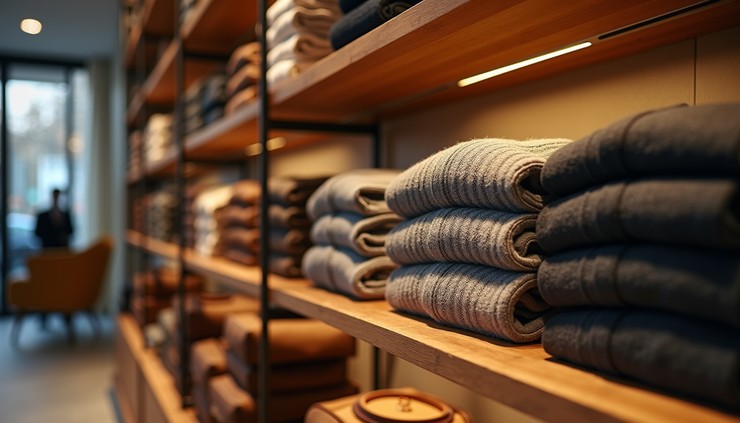
Store design and layout mimic the lifestyle image, using warm lighting, rich textures, and elegant displays to create a welcoming environment.
Visual merchandising tells a story. Displays often evoke scenes from country clubs, luxury homes, or vintage Americana, reinforcing the brand’s heritage.
This lifestyle focus helps customers feel connected to the brand on a deeper level, encouraging repeat visits and loyalty.
Strategic Product Placement and Mix
Ralph Lauren carefully curates its product mix to balance exclusivity with accessibility. The brand offers multiple lines, from the high-end Purple Label to the more accessible Polo Ralph Lauren. This tiered approach allows the brand to reach different customer segments without diluting its core identity.
In stores, product placement follows a clear logic:
High-demand items like polo shirts and denim are placed at eye level to attract immediate attention.
Seasonal collections get prominent spots near entrances or key aisles to drive interest.
Accessories and smaller items are positioned near checkout areas to encourage impulse buys.
This thoughtful arrangement maximizes sales opportunities while maintaining a clean, organized shopping experience.
Leveraging Storytelling Through Visual Merchandising
Visual merchandising is a key tool Ralph Lauren uses to differentiate itself. The brand’s displays are carefully crafted to tell a story that resonates with its audience. For example:
A winter collection might be presented with rustic wood elements, cozy textiles, and vintage skis to evoke a mountain lodge feel.
Spring displays often feature fresh florals, light fabrics, and outdoor picnic scenes to suggest leisure and elegance.
These visual cues help customers imagine how the products fit into their own lives, making the shopping experience more engaging and memorable.
Integrating Digital and Physical Experiences
Ralph Lauren has embraced the challenge of blending online and offline shopping. The brand uses digital tools to enhance in-store merchandising and vice versa:
Interactive displays in stores allow customers to explore product details or see styling suggestions.
Online platforms feature curated collections that mirror in-store themes, creating a seamless brand experience.
Click-and-collect services encourage customers to visit stores, where they encounter the full lifestyle environment.
This integration supports customer convenience while reinforcing the brand’s image and merchandising strategy.
Focus on Quality and Consistency
Ralph Lauren’s merchandising success also comes from a strict focus on quality and consistency. Every product, display, and customer interaction reflects the brand’s commitment to excellence. This includes:
Using premium materials and craftsmanship in products.
Maintaining consistent visual standards across all stores worldwide.
Training staff to deliver knowledgeable and personalized service.
This consistency builds trust and reinforces the brand’s premium positioning.
Seasonal and Limited-Edition Collections
Ralph Lauren uses seasonal and limited-edition collections to create excitement and urgency. These collections often feature unique designs or collaborations that attract attention and drive traffic. By rotating these offerings regularly, the brand keeps its merchandising fresh and relevant.
Limited editions also encourage customers to act quickly, boosting sales and enhancing the brand’s exclusivity.
Conclusion
Ralph Lauren’s merchandising strategy combines a clear lifestyle vision with smart product placement, compelling storytelling, and seamless integration of digital and physical experiences. The brand’s focus on quality and consistency further strengthens its position in the market. For retailers and brands looking to improve their merchandising, Ralph Lauren offers a valuable example of how to connect deeply with customers and create a shopping experience that goes beyond the product.


Comments